Wineries in Zadar, Croatia: A Wine Lover's Guide to Dalmatia
By someone who went to Croatia for the sun and came home evangelical about Pošip
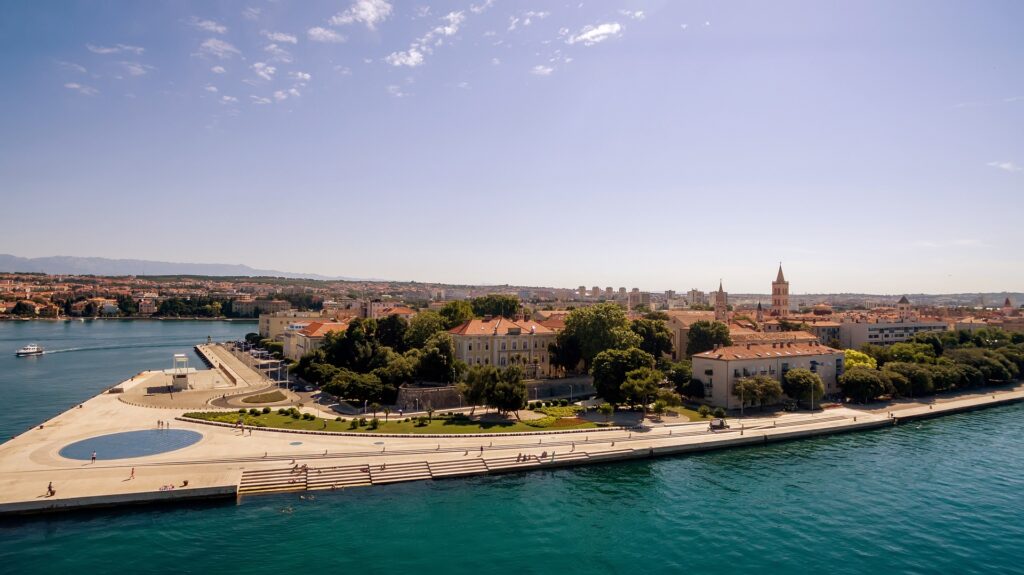
Croatia has a way of ambushing you. You arrive expecting the coastline — the terracotta rooftops, the impossibly clear water, the kind of blue sky that makes you question every life decision that led you to live somewhere grey — and then, somewhere between the sea and the limestone hills, you notice the vines. Sprawling across sun-baked plains, climbing terraced slopes, threading through olive groves: they’re everywhere. The wineries in Zadar, Croatia are some of the most exciting and underrated in the whole of Europe — and after spending time exploring them, I can tell you that this corner of Dalmatia deserves a serious place on every wine lover’s map.
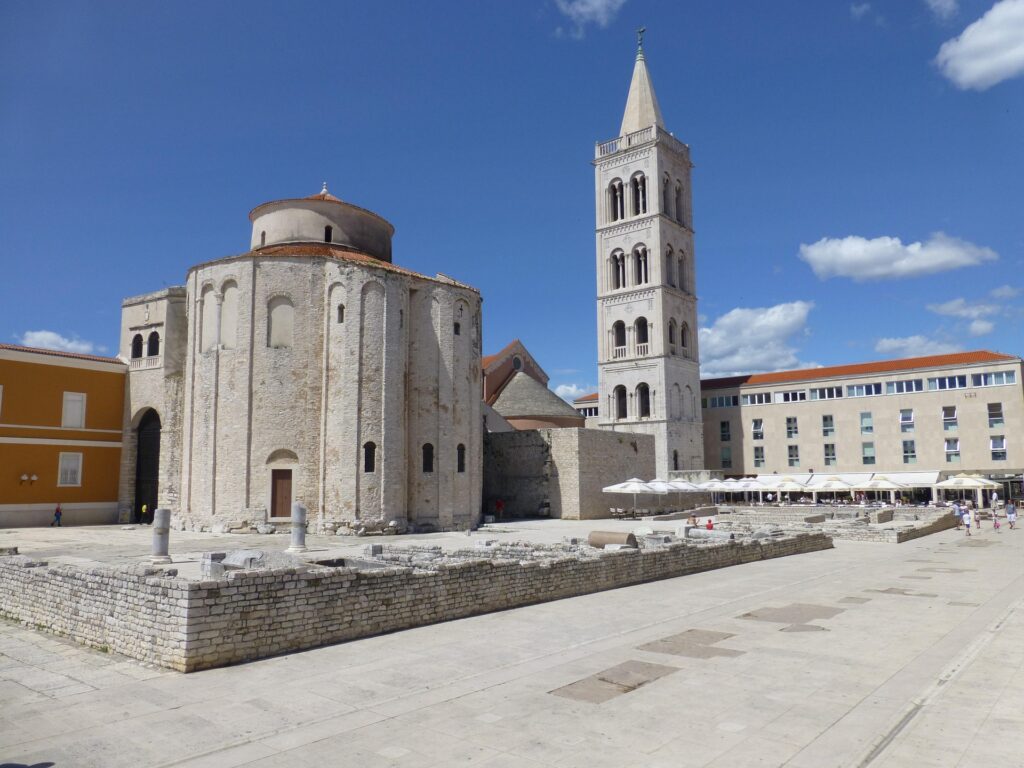
This ancient city on the northern Dalmatian coast — Roman forum, medieval churches, and that famously bizarre sea organ that plays music with the waves — sits right in the middle of some of Croatia’s most thrilling wine country. The Ravni Kotari plain stretches out behind it, a fertile patchwork of vineyards and olive groves that’s been producing wine for over three thousand years. And the producers working there right now? Genuinely brilliant.
Here’s what I discovered.
First, a bit of history
Croatia has been making wine since ancient Greek settlers rocked up on the Dalmatian coast around 385 BC. The Romans loved it too, and wine trade routes ran throughout the region for centuries. Then came the Ottomans, who disrupted much of the inland wine culture, followed by phylloxera in the 19th century, and then – perhaps most damaging of all – decades of Communist central planning, which prioritised quantity over quality and saw many of Croatia’s extraordinary native grape varieties quietly abandoned.
Croatian independence in 1991 changed everything. Since then, the country has rediscovered over 130 indigenous grape varieties, quality-focused producers have been racking up international medals, and the world is finally paying attention.
Zadar and its hinterland sit right at the heart of this revival.
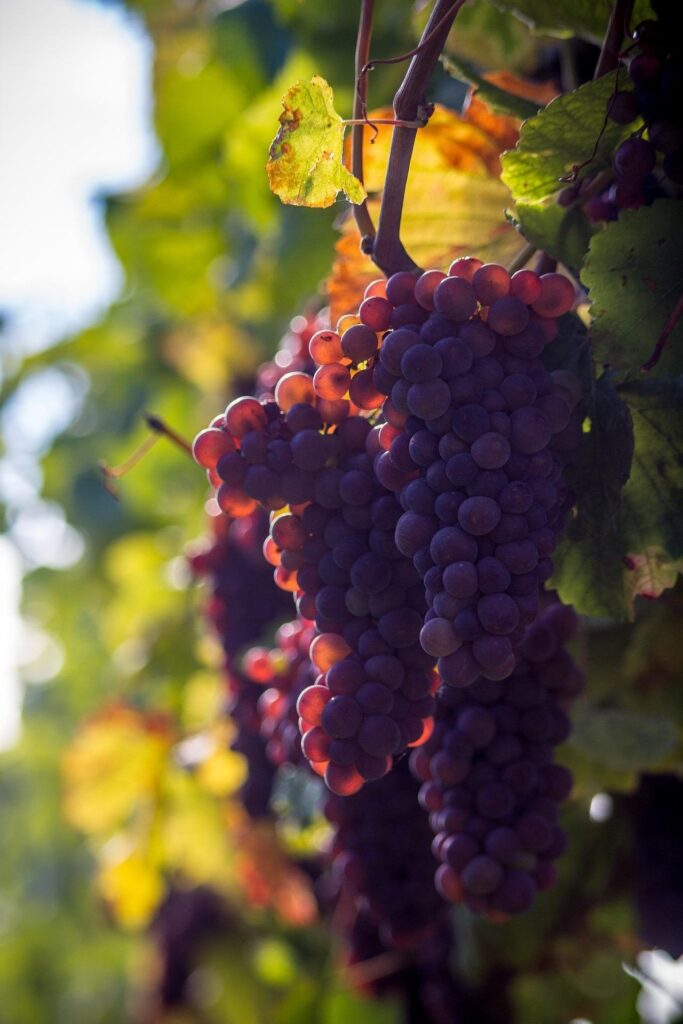
The grapes you need to know
Before you go, get familiar with these — you’ll be seeing them everywhere:
Pošip — Croatia’s star white grape. Rich, full-bodied, with stone fruit, almonds, and a gorgeous saline minerality that screams the Adriatic. Absolutely delicious.
Maraština — An aromatic, elegant white with a floral, herbal edge. Older and perhaps less fashionable than Pošip, but deeply interesting when a good producer gets hold of it.
Debit — A real Zadar speciality. Fresh, citrusy, light on its feet, and perfect with a plate of grilled fish on the harbour. One of the oldest cultivated varieties in the region.
Plavina — A lighter-bodied red that makes wonderfully fresh rosés and easy-drinking reds. Think Pinot Noir energy, Mediterranean setting.
Babić — More structured, darker, with proper tannins. A red that rewards a bit of patience.
Crljenak Kaštelanski — Yes, that’s Zinfandel. Croatia is its ancestral home. Several producers around Zadar are growing it and making the most of that heritage.
The Wineries: (Where I went and where you should too)
Degarra — The Garage Winery in a Former Military Barracks
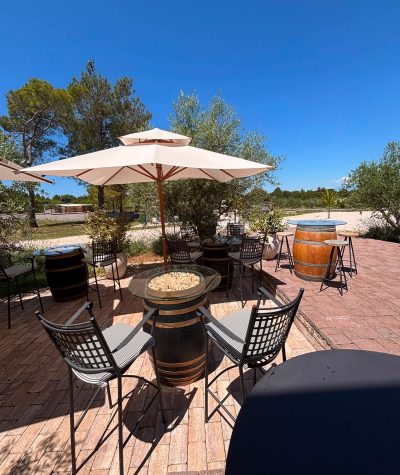
Degarra – the name comes from the French vin de garage, the term for small, obsessive producers who started shaking up Bordeaux in the 1980s – is a boutique winery founded in 2012 by two families, the Pestićs and the Šulentićs, in the former JNA military barracks just fifteen minutes outside Zadar’s old town. Surrounded by century-old pine trees, it’s been transformed into a tasting room and delicatessen showcasing their wines alongside local cheese, prosciutto, and olive oil.
They grow Pošip, Maraština, Plavina, Cabernet Sauvignon, Merlot, and Syrah in the Ravni Kotari plain, and they’ve even produced what they claim to be the first sparkling wines from the Zadar region — a traditional-method Pošip fizz and a Plavina rosé bubbly. Both are excellent.
Konoba Kraljevski — Best View in the Region, No Contest
Perched on a hillside above the Punta Skala peninsula, Kraljevski Vinogradi (Royal Vineyards) is one of those places where you arrive, take in the view across a kilometre of vines down to the Adriatic, and immediately forgive yourself for not being more productive that day.
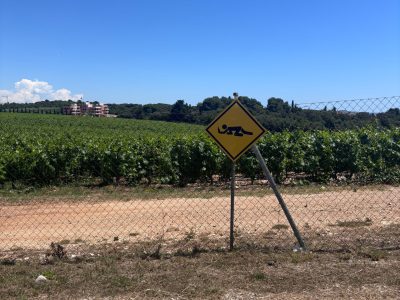
Over 300,000 vines here, including Crljenak Kaštelanski — the ancestral Zinfandel — soaking up more than 2,600 hours of annual sunshine. The microclimate is extraordinary, and it shows in the glass. Even if you were just passing through, the setting alone would make it worth stopping. Or even just to giggle at this road sign!
Bibich — Start at the Shop in Town, Then Consider Making the Pilgrimage
The Bibich winery proper is in the village of Plastovo, near Skradin, about an hour south of Zadar. But winemaker Alen Bibich has a wine shop right in the old town, and for anyone visiting Zadar, it’s the perfect introduction to one of Croatia’s most revered producers.
Bibich is a name that carries real weight here. The family has been making wine since at least the 15th century, and Alen has spent decades championing native varieties — Debit, Babić, Lasin, Plavina — while also making some seriously impressive Grenache and Syrah in a southern Rhône style. His flagship red blend, the R6 (Babić, Plavina, and Lasina), is a benchmark for Dalmatian reds.
But the wines I’d really point you towards in the shop are these two:
The R5 is unlike anything else in Croatia. A white blend of Debit, Pošip, and Maraština, but vinified oxidatively in American oak — it’s deliberately building in oxidation as a flavour, rather than fighting it. The result is something nutty, herbal, and savoury: browned butter, hazelnut, Mediterranean scrubland. It polarises people and I’m entirely here for it.
The Aleph is Bibich’s prestige red, and arguably Croatia’s most collectable wine. Named after a Borges short story (which tells you everything about Alen Bibich as a person), it’s a Bordeaux-style blend of Cabernet Sauvignon, Merlot, and Cabernet Franc from a tiny vineyard of just 1,200 vines in Plastovo. Only around 500 bottles are produced in exceptional vintages. Black currant, black pepper, silky tannins, long mineral finish. If you see it, buy it without hesitation. Although be aware the price point is rather lofty.
If the shop whets your appetite – and it will – the winery itself is worth the drive. The estate near Skradin is open from late April to late October, with drop-in tastings available in the tasting room. But the real draw is the food and wine pairing lunch, prepared by Alen’s wife Vesna, a chef trained in molecular gastronomy. It’s the kind of meal Anthony Bourdain visited to film — exquisitely matched wine and food, in a beautiful garden setting near Krka National Park. Reservations are essential and fill up fast, especially in peak summer, so book ahead.
So How Do You Do It?
Rent a car. That’s genuinely the best advice I can give. The wineries are spread across the Ravni Kotari plain and the surrounding hills, and the driving is beautiful — dry-stone walls, olive groves, limestone ridges, the occasional donkey. Several local agencies in the old town also run guided wine tours if you’d rather let someone else navigate (and drink freely).
The Zadar Wine Route links multiple producers, so there’s plenty to fill a day or two beyond the three I visited. Spring through autumn is ideal, with harvest in September and October adding an extra layer of drama to the landscape.
And when you’re done? Head back to the old town, find a spot on the waterfront, and open whatever you’ve bought. The sea organ will provide the soundtrack.
Croatia’s wine scene has been quietly building towards something special for thirty years. Zadar is one of the best places to see exactly what that looks like in the glass.