The Secret Language of Sommeliers: Wine Terms You Should Know
Ever sat at a dinner table listening to someone describe a wine as “closed,” “angular,” or “expressive” — and felt completely lost?
You’re not alone. Sommeliers, wine buyers, and enthusiasts often use a vocabulary that can sound like a secret code. But the good news? It’s a language anyone can learn — and once you do, wine becomes a whole lot more fun.
Here’s a cheat sheet of key wine terms that will help you talk (and taste) like a pro.
1. Tannin
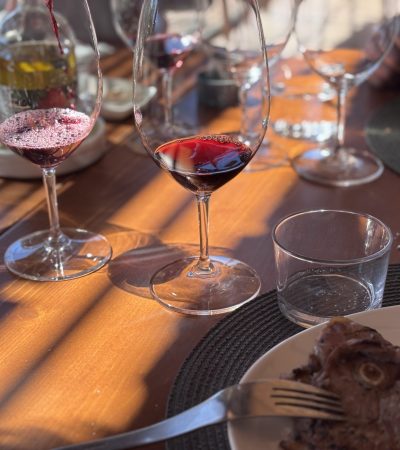
A word you’ll hear all the time with red wines. Tannins are natural compounds from grape skins, seeds, and oak barrels. They create that drying, slightly bitter sensation—like drinking over-steeped tea.
High-tannin wines: Cabernet Sauvignon, Nebbiolo.
2. Body
Not about calories — “body” refers to how heavy or full a wine feels in your mouth.
Light-bodied = Pinot Noir
Medium-bodied = Merlot
Full-bodied = Shiraz or oaked Chardonnay
Think of it like skim milk vs. whole milk vs. cream.
3. Nose
This is just a fancy word for aroma or how a wine smells. Sommeliers will say things like,
“The nose is showing ripe black fruit and some cedar.”
It’s a poetic way to describe the sensory preview before you even sip.
4. Minerality
Tricky to define but often used to describe wines that smell or taste of wet stone, chalk, or flint. Common in white wines from Chablis, Loire, or Galicia. It’s less about flavour, more about sensation and texture.
5. Finish
After you swallow (or spit — we see you, WSET students!), the finish is the taste that lingers.
A long, complex finish is a sign of a high-quality wine.
Pay attention to how long the flavours hang around.
6. Closed / Open
A closed wine might not show much aroma or flavour. Give it time to breathe.
An open or expressive wine is full of character and ready to enjoy.
Some wines evolve with air, especially younger reds or complex whites.
7. Terroir
The ultimate wine buzzword. It refers to the natural environment where grapes are grown — soil, climate, topography, and even local yeasts.
It’s what makes a Pinot Noir from Burgundy taste different than one from New Zealand.
8. Vintage
The year the grapes were harvested. Some years are better than others due to weather conditions — especially in places like Bordeaux or Champagne.
9. Oxidised / Corked
Two common wine faults:
Oxidised: The wine has had too much air — it tastes flat, nutty, sometimes like sherry.
Corked: Caused by a tainted cork (TCA) — think musty basement or wet dog. Not harmful, just disappointing.
10. Legs
Those streaks that run down the inside of your glass after swirling? Some call them tears or legs. They’re related to alcohol and sugar levels — but don’t read too much into them.
They’re pretty, but not necessarily meaningful.
Final Sip
The more you explore wine, the more these terms will feel natural. And once you’ve got the basics, you’ll notice how your tasting confidence (and vocabulary) starts to grow.
Next time you’re enjoying a glass, try describing it with 3 words using some of the terms above — and see where the conversation goes…