How to Read a Wine Label (UK, EU, and New World Compared)
Pick up a bottle of Burgundy and a bottle of Australian Shiraz side by side, and you’ll notice they tell you almost completely different things. One leads with a place name you’ve never heard of; the other leads with the grape. Neither is trying to confuse you – they’re just following different labelling traditions. Once you know what each system is required to show, any wine label becomes readable in seconds.
Why Labels Differ in the First Place
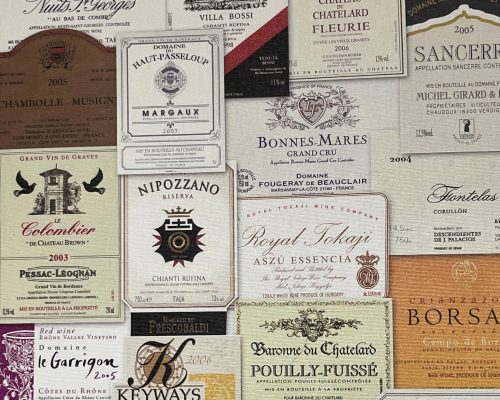
Old World wine regions (most of the EU) label by place, on the principle that where a wine is from tells you what it should taste like – a system built on appellation rules (AOC, DOC, DOCG, etc.). New World regions (Australia, USA, Chile, South Africa, etc.) label by grape variety, since many of these regions grow multiple varieties in the same area and place-of-origin alone doesn’t tell you much about style.
UK labelling sits close to EU rules post-Brexit, with a few of its own requirements layered on. Below is what’s mandatory in each system, and what’s just convention.
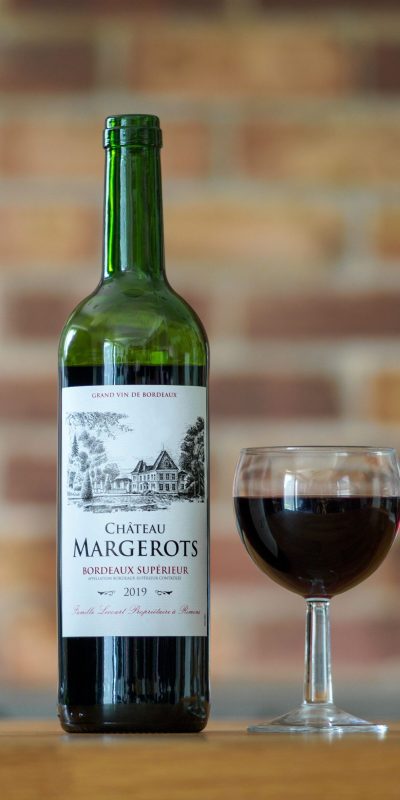
EU / French-Style Labels (Place-First)
Mandatory:
- Appellation (e.g. Appellation Chablis Contrôlée, DOCG, DO)
- Producer/bottler name and address
- Alcohol by volume (ABV)
- Volume (e.g. 750ml)
- Country of origin
- Allergen info (contains sulphites, if applicable)
- Lot number
Often absent: grape variety. In Burgundy, Chablis is Chardonnay and red Burgundy is Pinot Noir – but the label won’t say so, because the appellation rules already dictate the grape. You’re expected to know the region-to-grape mapping.
Convention (not required, but common):
- Vintage
- Village or vineyard name for higher-tier wines (e.g. Premier Cru, Grand Cru)
- Producer-specific terms (Vieilles Vignes, Réserve) — these have no legal definition, unlike appellation terms
UK Labels
The UK largely mirrors EU requirements post-Brexit, with these specifics:
- Mandatory: allergen labelling (sulphites), ABV, volume, importer/bottler name and UK address, country of origin
- UK-bottled wines require a UK address for the importer or bottler, distinct from EU-only labels
- Units: ABV shown as % vol; volume typically in ml or cl
New World / Grape-First Labels
Mandatory (varies slightly by country, e.g. US TTB rules vs Australian standards):
- Producer/brand name
- Grape variety (if named, usually must be a minimum percentage of that grape — commonly 75-85% depending on country)
- Alcohol by volume
- Volume
- Country of origin
- Allergen/sulphite declaration
Convention:
- Vintage (if stated, usually a minimum percentage of that year’s harvest must be used)
- Region (e.g. “Barossa Valley,” “Napa Valley”) — more specific than country, but broader and less legally rigid than EU appellations
- Tasting descriptors or back-label notes — much more common than on EU labels, since there’s no regional shorthand to lean on
Side-by-Side: What Each Label Is Really Telling You
Element | EU-Style Label | New World Label |
|---|---|---|
Leads with | Place/appellation | Grape variety |
Grape variety shown? | Rarely | Usually |
Legally defines style? | Yes, via appellation rules | Loosely, via minimum grape % |
Region specificity | Very high (village/vineyard level) | Moderate (broad regions) |
Producer terms (Reserve, Vieilles Vignes) | No legal meaning | No legal meaning |
The Practical Shortcut
If you’re standing in a shop and unsure what you’re buying:
- See a place name you don’t recognise, no grape listed? It’s likely EU-style — look up the region-grape pairing once and it’ll stick (Chablis = Chardonnay, Barolo = Nebbiolo, Rioja = Tempranillo).
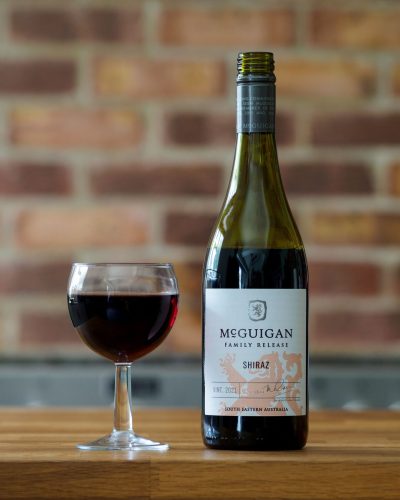
- See a grape variety in large text? It’s New World-style, and the label is telling you directly what’s in the bottle.
- Look for the ABV and back-label allergen info regardless — that part is standardised everywhere and worth glancing at before you buy.