
Beaujolais Nouveau Explained: History, Taste, and Why You Should Try It
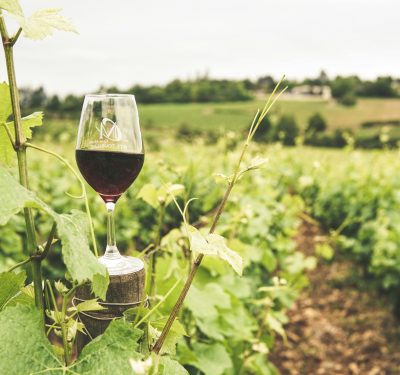
Every November I look forward to the arrival of Beaujolais Nouveau. It is the first taste of a new vintage, a wine that carries the joy of harvest in every sip. For students of wine it is a fascinating tradition. For casual drinkers it is one of the most accessible and fun wines you can discover.
What is Beaujolais Nouveau?
Beaujolais Nouveau is a young red wine made from Gamay grapes. It comes from the Beaujolais region of France, just south of Burgundy. Unlike other red wines, it is bottled only weeks after harvest. The grapes are fermented using a technique called carbonic maceration, which produces bright, fresh, fruity flavours.
This is not a wine for ageing. It is made to be enjoyed straight away. That makes it very different to the more structured and complex wines from the Beaujolais crus. Instead, Beaujolais Nouveau is playful, juicy, and refreshing.
A Brief History
The story of Beaujolais Nouveau begins in France, where growers wanted a quick way to celebrate the end of harvest. In the mid twentieth century, winemakers started a race to deliver the first bottles to Paris. The slogan “Le Beaujolais Nouveau est arrivé!” soon spread far and wide.
By the 1980s and 1990s, Beaujolais Nouveau had become a worldwide phenomenon. The third Thursday of November was fixed as its official release date. In France, cafés and wine bars mark the day with banners, balloons, and parties. The excitement crossed borders, and soon the UK, US, and many other countries were joining in the celebrations.
What is Carbonic Maceration?
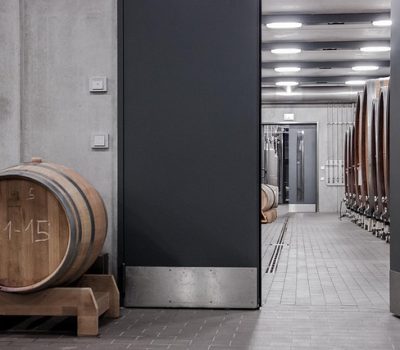
One of the reasons Beaujolais Nouveau tastes so bright and fruity is the winemaking technique. The grapes are not crushed in the usual way. Instead, whole bunches are placed in a sealed tank filled with carbon dioxide.
Inside the tank, fermentation begins inside each grape. This process, called carbonic maceration, breaks down sugars and produces alcohol without the skins being broken first. The result is soft tannins, low bitterness, and an explosion of fruit flavour.
After a short time, the winemaker presses the grapes and finishes fermentation in the usual way. Because the technique is quick, the wine can be bottled and released within weeks of harvest. It is the perfect method for creating a light, juicy style of red wine like Beaujolais Nouveau.
The Taste of Beaujolais Nouveau
When you pour a glass, expect vibrant aromas of red berries. Strawberries, cherries, and raspberries dominate. The flavours are light, fresh, and often described as juicy or even candy-like.
The wine is low in tannin and usually modest in alcohol. This makes it easy to drink and approachable for those who are new to red wine. For wine students, it is also a textbook example of how carbonic maceration can transform grape character.
Food Pairings and How to Enjoy
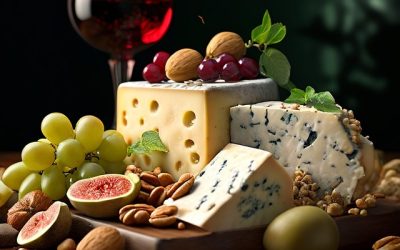
Beaujolais Nouveau is one of the easiest wines to pair with food. Its light body and juicy fruit work with a wide range of dishes. Charcuterie and cheese are classic choices. Slices of saucisson, pâté, or cured ham balance the freshness of the wine. Soft cheeses like Brie or Camembert are a natural match. Even goat’s cheese works beautifully with the bright acidity.
It also pairs well with simple comfort foods. Roast chicken, pork chops, or a plate of sausages and mash all find a friend in Beaujolais Nouveau. In France, it is often enjoyed with bistro favourites like coq au vin or beef bourguignon. The lightness of the wine cuts through the richness of the dish.
In the US, it has become linked with Thanksgiving. The release date falls just before the holiday, and the wine’s fruity character makes it a fun partner for turkey, stuffing, and cranberry sauce. It is not a serious pairing, but it is a joyful one.
Vegetarian dishes also shine with Beaujolais Nouveau. Think roasted vegetables, mushroom pasta, or a lentil salad. The bright fruit and soft tannins add lift without overpowering delicate flavours.
I recommend serving Beaujolais Nouveau slightly chilled, around 12–14°C. Pop the bottle in the fridge for half an hour before opening. A light chill highlights the freshness and makes it even more refreshing.

The Celebration
The release of Beaujolais Nouveau has become a tradition in its own right. At midnight on the third Thursday of November, the first bottles are opened. Towns across the Beaujolais region light up with music, fireworks, and festivals.
Even outside France, many wine lovers use the date as an excuse to raise a glass. There is something exciting about knowing that people around the world are sharing the same experience at the same time. It is a reminder of how wine connects us to place, season, and community.
Buying Beaujolais Nouveau
If you want to join in, it is easy to find Beaujolais Nouveau. In both the UK and the US it appears each November in supermarkets, wine shops, and online. Bottles are usually affordable, often under £15 or $20.
There is no need to hunt for specific producers, though some names like Georges Duboeuf are well known. The key is to enjoy it fresh. Beaujolais Nouveau is not made to last, so drink it before the next spring to get the best from it.
Conclusion
Beaujolais Nouveau may not be the most complex wine, but that is not the point. It is about fun, freshness, and celebration. For me, opening a bottle is a way to toast the harvest and connect with a tradition that spans generations.
If you have never tried it, make this November the year you do. Pour a glass, invite some friends, and celebrate the joy of wine in its simplest form.