
How to Use WSET's Systematic Approach to Tasting (With Examples)
If you’ve started studying for WSET Level 2 or Level 3, you’ve probably already met the Systematic Approach to Tasting – usually just called SAT. It’s the grid WSET uses to structure every tasting note, and it’s also exactly how your exam answers will be marked. Get comfortable with it early and the rest of the course gets a lot easier.
This post breaks SAT down pillar by pillar, walks through two full worked examples, and flags the mistakes that trip up most students.
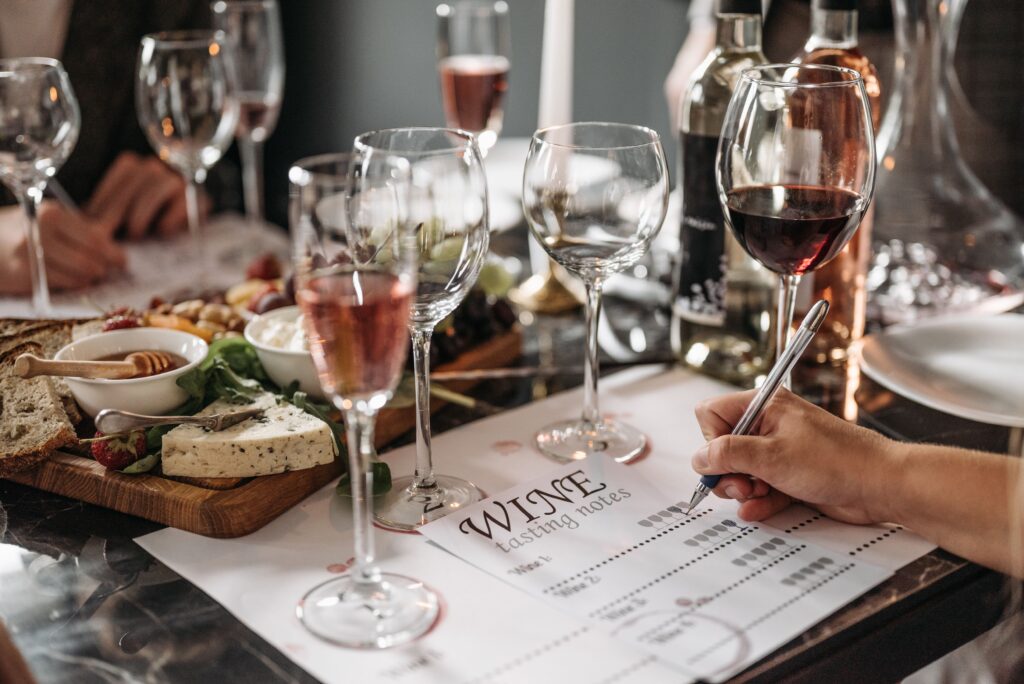
What SAT Is (and Why WSET Uses It)
SAT exists to take the guesswork out of tasting notes. Instead of writing “smells fruity, tastes nice,” you’re working through a fixed sequence of categories, each with an approved vocabulary bank. This does two things:
- It makes notes comparable. Your tasting note and a fellow student’s should look structurally similar, even if the specific descriptors differ.
- It’s exam currency. WSET assesses your tasting papers against this exact structure. Free-form notes, however accurate, lose marks if they don’t hit the required categories.
The four pillars are: Appearance, Nose, Palate, Conclusions.
The Four Pillars
- Appearance
- Clarity — clear or hazy
- Intensity — pale, medium, deep
- Colour — a defined range depending on wine type (e.g. lemon to amber for whites)
- Other observations — bubbles, sediment, tears/legs (optional, only if relevant)
- Nose
- Condition — clean or unclean (faulty)
- Intensity — light, medium(-), medium, medium(+), pronounced
- Aroma characteristics — grouped by category: fruit, floral, herbaceous, spice, oak, etc.
- Development — youthful, developing, or fully developed

- Palate
- Sweetness — dry to sweet
- Acidity — low to high
- Tannin (reds) — low to high
- Alcohol — low to high
- Body — light to full
- Flavour intensity — light to pronounced
- Flavour characteristics — same category logic as nose
- Finish — short to long
- Conclusions
- Quality level — poor, acceptable, good, very good, outstanding
- Level of readiness for drinking — too young, ready but will improve, ready and at peak, too old
- (For higher levels) Price estimate — based on the quality indicators you’ve just identified
Worked Example — White Wine (Sauvignon Blanc)
- Appearance: Clear. Pale intensity. Lemon-green colour.
- Nose: Clean. Medium(+) intensity. Aromas of gooseberry, lime zest, green bell pepper, and a touch of cut grass. Youthful.
- Palate: Dry. High acidity. Medium alcohol. Light-to-medium body. Medium(+) flavour intensity, echoing the nose (gooseberry, lime, green pepper). Medium finish.
- Conclusions: Very good quality — well-balanced, varietally typical, good length. Ready to drink now; no benefit from further ageing. Mid-priced.
Worked Example — Red Wine (Rioja)
- Appearance: Clear. Medium intensity. Ruby colour with a slight garnet rim, suggesting some age.
- Nose: Clean. Medium intensity. Red cherry and strawberry, with vanilla, dill, and a leathery note from oak ageing and development. Developing.
- Palate: Dry. Medium(+) acidity. Medium(+) tannin, fairly smooth. Medium alcohol. Medium body. Medium flavour intensity — red fruit, vanilla, tobacco. Medium(+) finish.
- Conclusions: Good quality — well-integrated oak, decent complexity, though not the most concentrated. Ready to drink now, at or near peak. Mid-priced.

Common Mistakes Students Make
- Confusing intensity descriptors. “Pronounced” isn’t a synonym for “high alcohol” – it belongs to nose/palate flavour intensity specifically. Match the descriptor to its category.
- Using non-approved vocabulary. WSET marks against a specific word bank. “Yummy” or “zingy” won’t score, even if they’re accurate – stick to the approved terms (gooseberry, cut grass, high acidity, etc.).
- Skipping the Conclusions tier. It’s tempting to stop after Palate, but quality level and readiness-for-drinking are graded components – leaving them out costs marks even if everything above was correct.
- Rushing Appearance and Nose to get to Palate. Palate feels like “the real tasting,” but examiners weight all four sections. A thin Appearance/Nose section is an easy way to lose marks you didn’t need to lose.
Quick-Reference Summary
Pillar | Key Categories |
|---|---|
Appearance | Clarity, Intensity, Colour |
Nose | Condition, Intensity, Aroma characteristics, Development |
Palate | Sweetness, Acidity, Tannin, Alcohol, Body, Flavour intensity, Flavour characteristics, Finish |
Conclusions | Quality level, Readiness for drinking, Price (higher levels) |
If it’s helpful, save this table as your go-to checklist before you start any practice tasting.