
From Grave to Glass: The Spooky Science of Fermentation
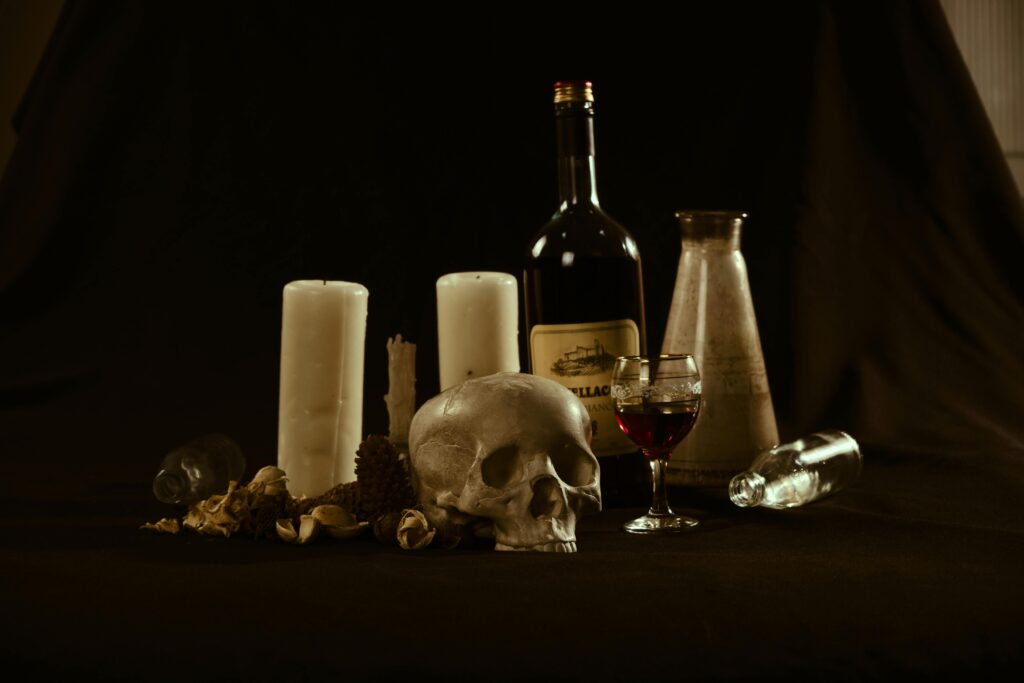
Every great wine begins with a whisper of mystery. Grapes come to life, sugar disappears, and something dark begins to stir. Inside the cellar, bubbles rise and hiss. The air smells sweet, warm, and strange. It’s as if unseen spirits are working their magic Today, we know this “haunting” is simply fermentation. But centuries ago, winemakers thought it was witchcraft. And honestly, can you blame them?
The Magic Behind Every Wine
Fermentation is what turns grape juice into wine. It’s simple chemistry, but it feels like alchemy. Crushed grapes release juice rich in sugar. When yeast enters the mix, everything changes. The yeast eats the sugar and releases alcohol and carbon dioxide.
The wine begins to fizz and bubble, like a potion in a witch’s cauldron. It gives off warmth and a faint hiss – the sound of transformation. This invisible process still feels eerie. You can’t see the yeast at work, but you can feel the change happening. It’s alive. It’s restless. It’s a little bit spooky – the perfect mood for Halloween.
From Sugar to Spirit: Nature’s Secret Spell
The process itself is ancient and precise. Winemakers have followed this rhythm for thousands of years:
Harvest the grapes at peak ripeness.
Crush them to release juice and skins.
Add yeast (natural or cultured).
Wait, watch, and stir as fermentation begins.
Temperature, time, and grape variety all affect the final flavour. A slow, cool fermentation preserves freshness. A warm, fast one creates bolder, deeper flavours.
Each choice shapes the wine’s soul.
When you open a bottle of wine, you’re tasting the result of that delicate, living dance — the magic of yeast, sugar, and time.
A History Steeped in Mystery
Long before microscopes, people saw fermentation as supernatural.
Ancient Greeks believed wine connected the living and the dead. They poured libations during harvest festivals to honour lost souls. The god Dionysus – wild, ecstatic, and unpredictable – ruled over both life and decay.
In medieval Europe, fermentation was feared. Villagers thought demons or witches were responsible for wine that “came alive” overnight. Cellars were kept dark and cold to keep spirits calm.
Even in the 17th century, many winemakers still didn’t understand what caused fermentation. They called it “spontaneous generation.” Only later did scientists discover that invisible yeast cells were behind the transformation. Wine has always lived at the edge of science and superstition. That tension is what makes it perfect for the spooky season.
Why Fermentation Feels Like the Spirit of Halloween
Fermentation is transformation; life, death, and rebirth in a glass. Sweet grapes die, yeast consumes them, and a new spirit rises: wine. That cycle mirrors the essence of Halloween, a time when the veil between worlds thins.
When you pour a glass of wine, you taste that transformation. The fizz, the warmth, the scent of life turning into something more – it’s nature’s quiet magic. Red wines gleam like blood in candlelight. White wines glow pale as moonlight. Orange wines shimmer gold like autumn leaves. Each one captures the mood of the season – rich, mysterious, and alive.
The Real-Life Monsters of Winemaking
Every fermentation carries its risks. Yeast isn’t the only organism lurking in the cellar. If the temperature rises too high, unwanted bacteria can appear. They turn wine sour or dull. Too little oxygen, and fermentation can “stick,” leaving sugar unfinished. Too much, and the wine turns to vinegar.
That’s why winemakers watch closely, tasting and testing every day. They control the chaos, taming the beast inside the barrel. It’s a battle between creation and decay – the perfect Halloween metaphor.
Haunted Cellars and Ghostly Wineries
Some of the world’s oldest wineries have stories as rich as their wines.
In France, Château de Brissac is said to be haunted by the “Green Lady,” a spirit who roams the cellar at night. In California, the founder of Buena Vista Winery reportedly still walks its caves, guarding his barrels.
Even in Hungary, the labyrinthine cellars of Tokaji have inspired ghost tales for centuries. Locals say you can hear whispers in the dark when the noble rot (Botrytis cinerea) begins its eerie bloom on grapes.
Whether or not you believe the stories, there’s something about old wine cellars – cool, silent, and candlelit – that always feels a little haunted.
Pairing Halloween Wine with Spooky Treats
Halloween isn’t only about costumes and candy. It’s the perfect time to enjoy wines that match the season’s mood.
Here are some delicious pairings to try:
Blood-red Syrah or Shiraz → dark chocolate or black forest cake.
Zinfandel → cinnamon pumpkin pie or spiced nuts.
Orange wine → roasted squash or caramel apples.
Port or Madeira → sticky toffee pudding or peanut butter cups.
Chilled Lambrusco → red velvet cupcakes or raspberry macarons.
These wines balance sweetness and spice, creating indulgent moments for your Halloween celebration.
If you’re hosting friends, turn it into a themed tasting. Decorate the table with pumpkins, black candles, and cobwebs. Serve each wine blind and guess its “spirit” – vampire, witch, ghost, or ghoul.
How Modern Winemakers Control the Magic
Today, fermentation is a precise science, but the romance remains. Winemakers use temperature control, stainless steel tanks, and wild or cultured yeast to guide the process. Each decision changes the flavour.
Cool fermentations create crisp, fruity wines. Warm fermentations bring depth and spice. Natural fermentations, using wild yeast, often taste earthy and unpredictable – perfect for the adventurous Halloween drinker.
Even with all this control, winemakers know they’re not fully in charge. Fermentation has a mind of its own. It decides when to start, when to slow, and when to stop. That’s part of its charm.